

Understanding Heat Treatment for Australian Sapphires
When clients visit us in search of the perfect Australian sapphire, one of the first questions we’re asked is about heat treatment.
Heat treatment for sapphires is an accepted practice in the jewellery and gemstone world. When done responsibly and clearly disclosed, it enhances the stone's natural beauty without compromising its integrity.
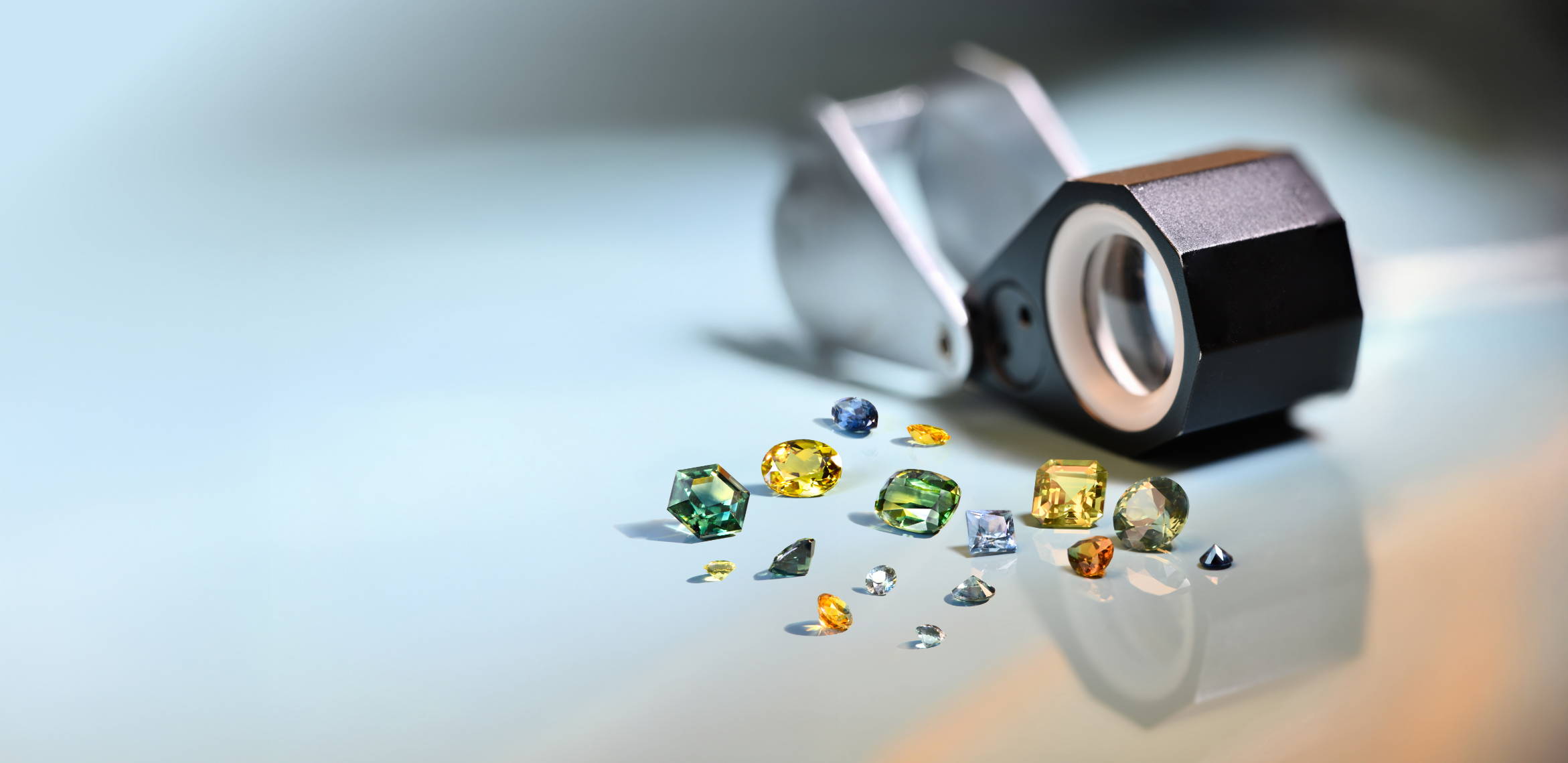
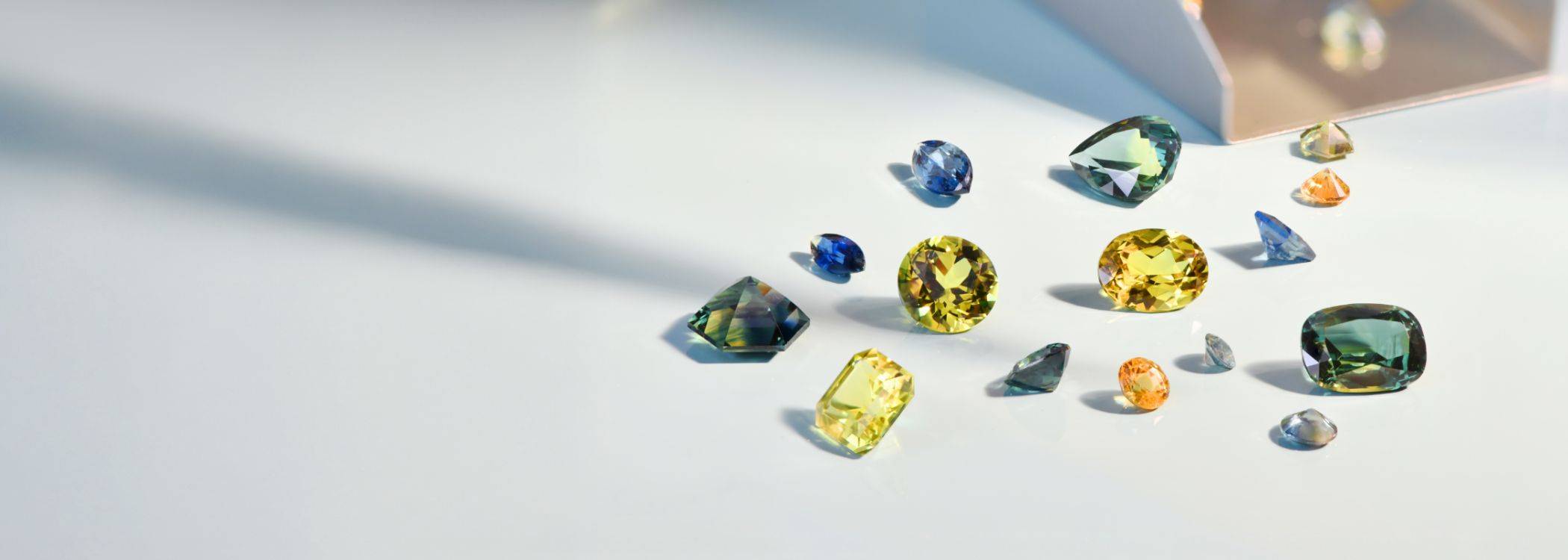
What is Heat Treatment?
Heat treatment is the controlled heating of natural sapphire to high temperatures, typically 1500°C to 1700°C. This process mimics what can happen naturally deep within the earth.
Australian sapphires form in volcanic conditions. Sometimes, during their journey to the surface, they cool too quickly. This can leave fine needle-like inclusions known as “silk” inside the stone. These inclusions can soften clarity and slightly mute colour.
When sapphires are heated, several things can happen:
- Rutile silk may dissolve or realign
- Colour can become brighter or more evenly distributed
- Clarity can improve
- The stone can appear more lively and brilliant
Importantly, heat-treated sapphires are still natural sapphires. No chemicals are added in standard heat treating.
At Sapphire Dreams, non-heated stones are clearly labelled “NH”.
How Common Is Heat Treatment?
Very common.
Across the global market, the majority of blue sapphires and other coloured sapphires have been heated in some form. It is considered an industry-accepted practice when properly disclosed.
In fact, unheated sapphires are a rarity. As untreated sapphires are far less common, stones with beautiful colour and clarity are generally valued more highly. Collectors and investors may prioritise unheated material for this reason.
However, rarity alone does not determine beauty. Some of the most breathtaking Australian sapphires in fine engagement rings are heat-treated sapphires. What matters most is how the stone performs; its cut, colour, balance, brilliance and character.
What Changes Inside the Stone?
Sapphire is an allochromatic gemstone. Its colour comes from trace elements such as iron and titanium.
During heat treatment:
- Iron and titanium interactions may shift slightly
- Colour saturation can deepen or brighten
- Cloudiness from inclusions may reduce
The result is often a cleaner, more vivid stone, particularly in deep blue sapphires or teal Australian sapphires.
The process is permanent and stable over the long term. A heat-treated sapphire will not fade with normal wear. It remains durable and ideal for everyday jewellery.
At Sapphire Dreams, we believe transparency is essential. Our sapphires are certified as Australian origin and ethically sourced.
All of our non-heated stones are labelled as “NH”.
Does Heat Treatment Affect Value?
Yes, but context matters.
An untreated sapphire of exceptional quality may command a premium due to rarity.
However, A poorly coloured, untreated sapphire is not automatically more valuable than a beautifully balanced treated sapphire. Beauty, cut, clarity and colour harmony always play a central role.
If you are purchasing primarily for collectability, unheated sapphires may appeal to you. If you are choosing a sapphire to wear and treasure every day, a treated sapphire can offer extraordinary beauty and durability.
At Sapphire Dreams, our expert gemmologists hand-select every natural sapphire. Whether heated or untreated, the focus is always on exceptional quality and ethical sourcing.
Heat treatment for Australian Sapphires is not something to fear.
It is a long-standing, accepted practice that enhances what nature has already created. A natural sapphire, heated or unheated, should be chosen because it speaks to you.
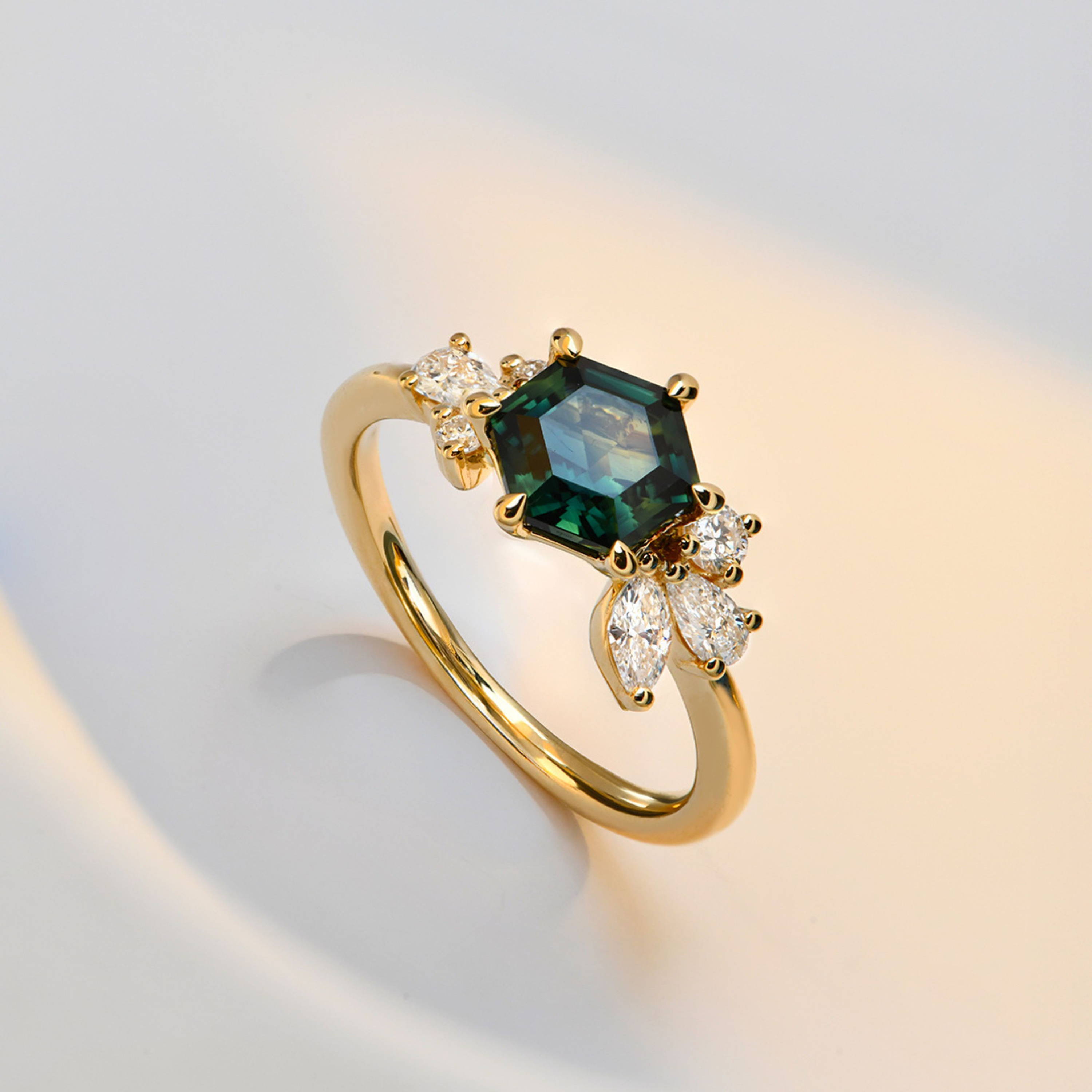
Choosing a sapphire: Buyer's Guide
You want to choose the perfect stone when you buy a sapphire.
And while the process is largely personal (which stones or jewellery speak to you?) there are some tips to follow to help you choose the best quality piece.
It’s worth knowing about the 4Cs, which are used as a way to grade sapphires, in a similar way to grading diamonds.
1. Colour
As you already know, sapphires go beyond blue. Choose the colour you’re drawn to and remember to look at how intense or saturated it is. Generally, the more vivid the colour, the better.
2. Cut
Gems are cut in ways to maximise their size and sparkle. Cut is different from shape; cut describes how a diamond is faceted and polished, while shape describes its outline. e.g. round or princess.
3. Clarity
Most natural sapphires have a few inclusions (or imperfections). The best sapphires don’t have inclusions that are visible to the naked eye. A clearer stone can signify a higher grade.
4. Carat
Sapphires are measured by their carat weight and size in mm. Larger gemstones are usually rarer and therefore more valuable than smaller sapphires, which bumps up the price tag.